
July 26, 2026
17th Sunday in Ordinary Time
The Kingdom is a treasure to be lived now: an experience of God that transforms life, beyond resentment, into authentic and gratuitous love.
THE LIVING IDYLL
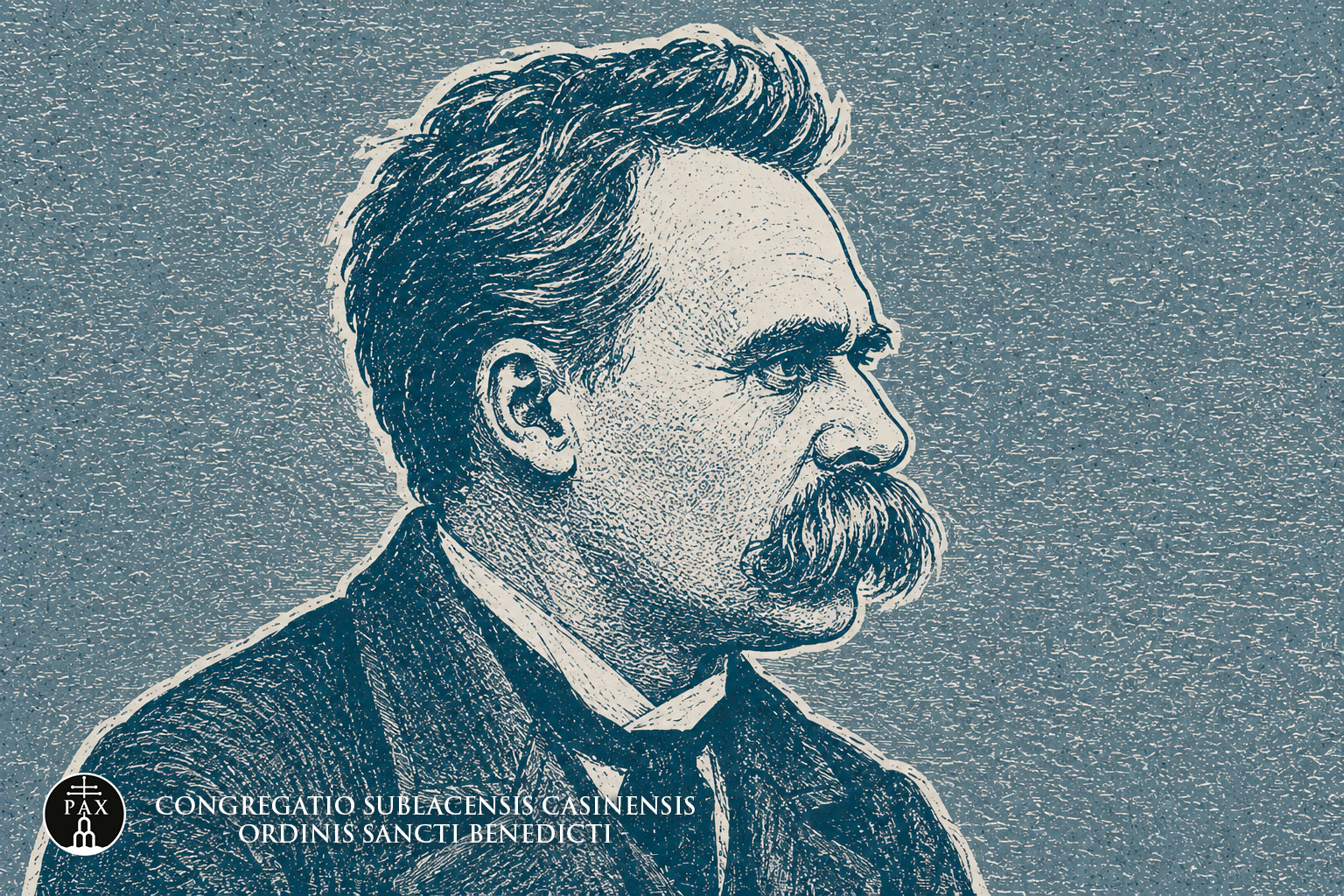
Let us pause to consider the theme of the Kingdom of Heaven, which Jesus compared to a hidden treasure, a merchant, and a net cast into the sea. Nietzsche, the philosopher of the death of God, helps us in this reflection; in his challenging 1888 work, The Antichrist, he highlighted the enormous difference between the historical Christ and the Church. While rejecting Christianity, Nietzsche distinguishes Jesus—seen as a living idyll, the only true Christian who died on the cross, a mystery of innocence and authenticity—from what followed after his death. For the German thinker, Jesus founded nothing, and the heart of his message is a new way of life, where God is not a dogma to be blindly believed but an experience to be lived. For Jesus, the Kingdom of God is here and must be experienced here (no eschatological temptation, no alienation in an abstract and ethereal heaven). It manifests itself in those who seek it as the greatest treasure, who are willing to do anything to enter it, and who, above all, love without resentment. Resentment (ressentiment) is one of the key themes in his philosophy and indicates the attitude of the weak, who, unable to react to history, transform their powerlessness into a creative force that generates values. For example, what is weak is seen as strong, and what is strong is seen as weak. But Jesus did not think like Paul, whom Nietzsche called the master of this tragic vision. With Jesus, as we have said, the Kingdom of God is not coming but is already present and active. This means there is no longer any distance between God and man, heaven and earth. Jesus is the overcoming of archaic morals based on guilt and bloody sacrifice. But everything has been perverted by the religion of resentment, which has turned noble values (strength, health, joy…) into evils, thereby sanctifying suffering, humility, and renunciation. This has given rise to hatred toward the so-called strong; a hatred that is not expressed through violence but by transforming a sense of inferiority into moral superiority. Certainly not all of the German philosopher’s positions are to be endorsed, but it is true that their provocative power can help us examine our understanding of Christ and the proclamation of the Kingdom of Heaven.
Commentary by d. Sandro Carotta, osb
Abbazia di Praglia (Italia)